Havezate 't Walfort: A Fortified Gem Protecting Aalten's Achterhoek
Nestled in the picturesque landscape of the Achterhoek region in Gelderland, the Netherlands, lies a historical treasure that whispers tales of medieval defense, noble lineage, and a peculiar brand of justice: Havezate 't Walfort. This fortified estate, administratively part of the charming municipality of Aalten, stands as a testament to centuries of regional history, offering a fascinating glimpse into the lives and struggles of those who once protected its lands. From its strategic position near a vital waterway to its storied past involving enigmatic secret courts, Havezate 't Walfort is far more than just an old building; it is a captivating narrative carved into the very landscape of the Dutch countryside.
For visitors and history enthusiasts alike, understanding the significance of Havezate 't Walfort begins with appreciating its unique setting. Situated on Walfortlaan, strategically positioned between the historic town of Aalten and the equally charming book town of Bredevoort, its location was no accident. It was here, amidst a landscape shaped by winding streams and fertile plains, that a defensive stronghold was deemed essential, serving as a vigilant guardian of the region.
The Strategic Heart of the Achterhoek: Aalten and Bredevoort
The Achterhoek, literally meaning "back corner," is a region renowned for its tranquil beauty, characterized by rolling farmlands, dense forests, and meandering rivers. It's an area where time seems to slow, inviting exploration of its rich cultural heritage and unspoiled nature. Within this idyllic setting, Aalten and Bredevoort stand out as towns with deep historical roots. Aalten, a vibrant community, offers a blend of rural charm and modern amenities, while Bredevoort is celebrated for its quaint streets, historic buildings, and its unique identity as a "book town," attracting bibliophiles from across the country.
The placement of Havezate 't Walfort between these two significant settlements underscores its critical historical role. A havezate, in the Dutch context, was not merely a country house; it was a fortified noble estate that carried specific political and social privileges, often including the right to sit in the provincial assembly. These estates served as local power centers, their owners, often minor nobility, responsible for maintaining order and defending their territories. In the case of Havezate 't Walfort, its purpose was intimately tied to the defense of Bredevoort. Its owner was one of the "borgmannen," or burgesses, whose solemn duty was to protect Bredevoort Castle and the surrounding area during times of strife and conflict.
Imagine the medieval landscape: the constant threat of raiding parties, feuding lords, and regional skirmishes. In such an environment, a network of fortified houses like Havezate 't Walfort was vital for regional security. They acted as early warning systems, staging posts for defense, and safe havens for local populations, forming a crucial defensive perimeter that stretched across the Achterhoek.
From Waldenvoorde Farm to Fortified Havezate: 't Walfort's Evolution
The earliest documented mention of this formidable estate dates back to the early 15th century, specifically the early 1400s. At this point, the property was known as "Waldenvoorde" and was a farm owned by Derk van Lintelo. This transformation from a humble farmstead to a fortified noble residence is a compelling aspect of its history, reflecting the shifting fortunes and ambitions of regional landowners. The evolution from a farm to a prestigious havezate speaks volumes about the societal structures of the time and the aspirations of those who owned these valuable lands.
One of the key factors influencing the site's initial development and subsequent fortification was its proximity to the Boven Slinge, a stream that meanders through Aalten on its way towards Doetinchem. This waterway was not only a vital source of water but also a natural boundary and, crucially, a potential thoroughfare. It is believed that Havezate 't Walfort was strategically built near a fordable section of the stream. In an era before extensive bridge networks, fords were critical crossing points for travelers, traders, and armies alike. Controlling such a strategic passage offered significant defensive advantages and economic leverage, making the site invaluable.
The importance of water in medieval defensive architecture cannot be overstated. Moats, natural water barriers, and strategic positioning near rivers or streams were paramount for protection. The presence of the Boven Slinge provided a natural defense and likely influenced the initial layout and subsequent enhancements of the estate. To delve deeper into this fascinating transition, you might be interested in reading From Waldenvoorde Farm to Fortified Havezate: 't Walfort's Evolution.
Architectural Legacy and Historical Glimpses
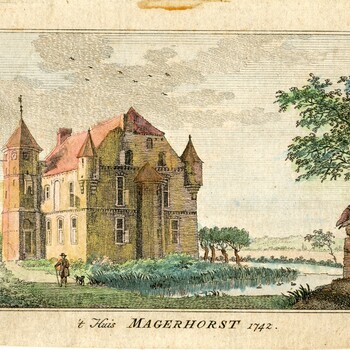
Like many historic buildings, Havezate 't Walfort has undergone various architectural transformations over the centuries. Evidence suggests that the havezate once boasted an additional floor, a feature beautifully captured in the 1743 drawing by the renowned Dutch artist Jan de Beijer. De Beijer's detailed topographical drawings are invaluable historical documents, offering rare visual insights into Dutch landscapes and architecture from centuries past. His depiction of 't Walfort provides a vivid representation of its grandeur and defensive capabilities during that period.
Interestingly, it is speculated that materials from this very extra floor were later repurposed in the construction of Boerderij Eskes, another farmstead built on the expansive estate. This practice of reusing building materials was common throughout history, driven by necessity and a pragmatic approach to resources. It also highlights the interconnectedness of the various structures within a historical estate, where newer constructions might literally rise from the remnants of older ones.
While the exact architectural footprint of its earliest days may be obscured by time and subsequent modifications, the essence of a fortified residence remains. Visitors can often discern features indicative of a defensive past, such as thick walls, strategic window placements, and the overall imposing presence that once deterred potential aggressors. Understanding these architectural details helps piece together the daily life and defensive strategies employed by the inhabitants of Havezate 't Walfort.
The Shadow of Justice: 't Walfort and the Veemgericht
Perhaps one of the most intriguing and chilling aspects of the history surrounding Havezate 't Walfort is its connection to a medieval "veemgericht" (secret court). These courts, often shrouded in mystery and fear, operated in parts of the Holy Roman Empire, including regions of the Low Countries. They were a form of ancient Germanic legal system, known for their clandestine nature and often severe judgments, which could range from minor penalties to the death sentence.
A veemgericht, under the jurisdiction of the German town of Bocholt, was established in the vicinity of the estate. Here, justice was dispensed four times a year. The most infamous figure associated with this local court was Berend de Dücker, who presided over the proceedings in 1430. De Dücker, who also held the position of mayor of Bocholt, earned a formidable reputation for his exceptionally harsh sentences. His ruthlessness became so legendary that his name entered local folklore, with the threat "De Dücker zal je halen" (De Dücker will get you) being used for generations to frighten disobedient children into submission. This enduring phrase underscores the profound and lasting impact of his judgments on the local populace.
The presence of such a powerful, and often feared, legal institution near Havezate 't Walfort adds a layer of complex and sometimes dark history to the estate. It reminds us that beyond the noble defenses and picturesque settings, medieval life was governed by stern laws and often harsh realities. This unique historical detail offers a fascinating insight into the administration of justice in the Achterhoek during the Middle Ages. For a deeper dive into this captivating and somewhat sinister chapter, consider reading Unraveling the Dark Past of Havezate 't Walfort and Berend de Dücker.
't Walfort Today: A Glimpse into the Past and Present
While Havezate 't Walfort remains a private residence, its historical significance continues to draw attention. The estate, carefully preserved, allows its legacy to endure, providing a tangible link to the Achterhoek's past. Although direct public access to the interior might be limited, the surrounding landscape and the public roads like Walfortlaan offer opportunities to appreciate the exterior and soak in the atmosphere of centuries gone by.
- Explore the Surroundings: The area around Aalten and Bredevoort is ideal for cycling and walking. Many routes pass by or near historic sites like 't Walfort, allowing you to enjoy the natural beauty of the Achterhoek while discovering its hidden gems.
- Visit Nearby Attractions: Combine your appreciation for 't Walfort with visits to other historical sites in Aalten, such as the Aaltense Musea, or immerse yourself in the literary charm of Bredevoort Book Town.
- Respect Private Property: Always remember that 't Walfort is a private estate. Enjoy its beauty from public vantage points and respect the privacy of its current inhabitants.
The enduring presence of Havezate 't Walfort serves as a powerful reminder of the region's rich tapestry of history, from its role in medieval defense to its association with a unique, if terrifying, legal system. It encourages us to look beyond the present and imagine the lives of the borgmannen, the farmers, and even the accused who once walked these lands.
Conclusion
Havezate 't Walfort stands as a magnificent, albeit private, monument to the dynamic and often tumultuous history of the Achterhoek. From its origins as Waldenvoorde to its pivotal role as a fortified noble residence protecting Bredevoort, and its intriguing connection to the fearsome veemgericht, the estate encapsulates centuries of human endeavor, conflict, and justice. Its strategic location by the Boven Slinge, its architectural evolution documented by Jan de Beijer, and the chilling legend of Berend de Dücker all contribute to its unique narrative. This fortified gem near Aalten continues to guard its stories, inviting us to reflect on the past and appreciate the layered history that defines this beautiful corner of Gelderland.