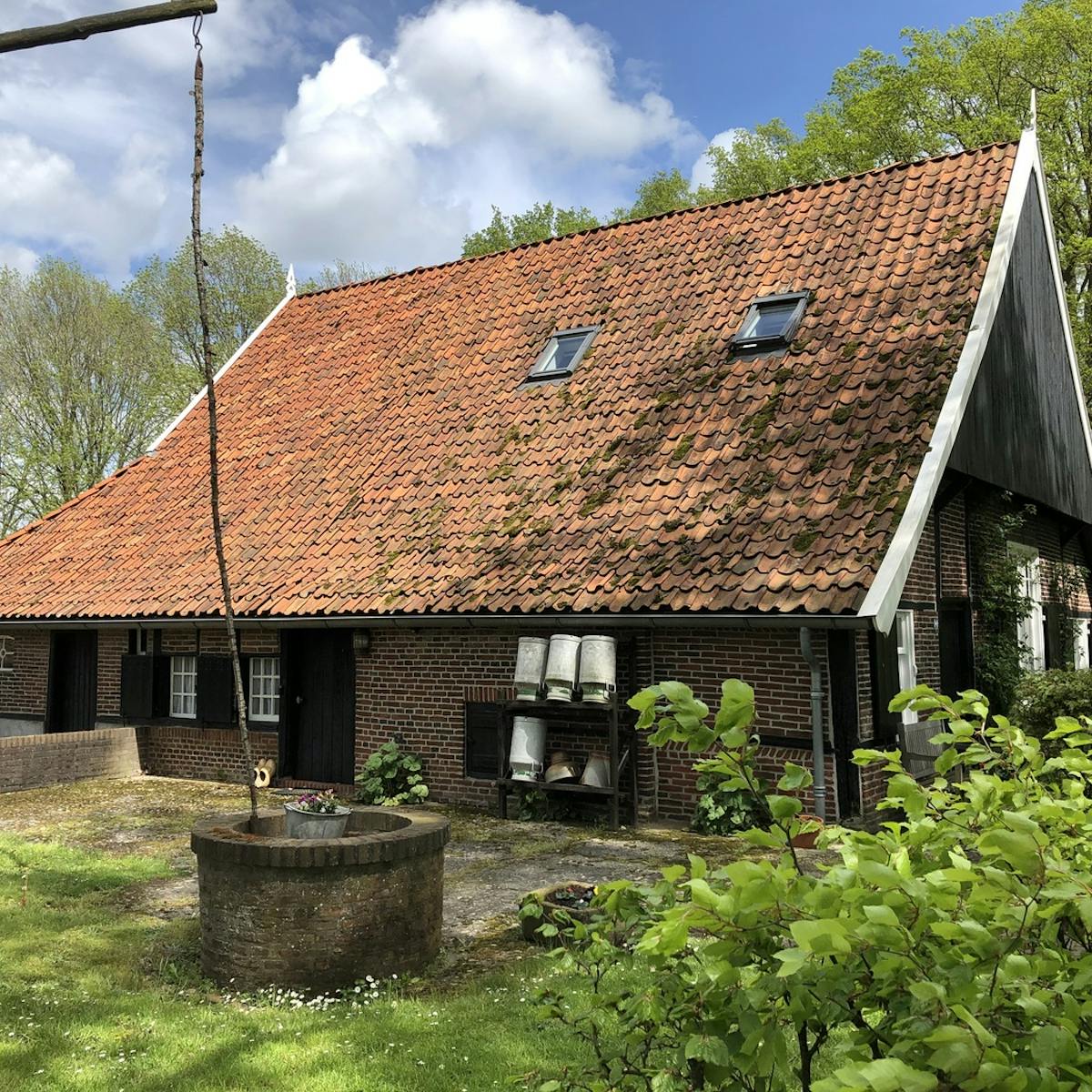
A Haven of History in the Achterhoek: The Location of Havezate 't Walfort
Nestled within the picturesque landscape of the Achterhoek region in Gelderland, the storied
Havezate 't Walfort stands as a silent sentinel of centuries past. This historic estate, with its captivating blend of natural beauty and dark legends, is precisely situated near the charming town of Aalten. While often spoken of in conjunction with its close neighbor, Bredevoort, the Havezate 't Walfort legally falls under the administrative umbrella of the municipality of Aalten. Its precise location along Walfortlaan positions it perfectly between these two culturally rich centers, offering a unique geographical and historical anchor point in the region.
The Strategic Heart of Aalten and Bredevoort
The very placement of Havezate 't Walfort was no accident; it speaks volumes about the strategic considerations of its medieval founders. Situated near the meandering Boven Slinge – a vital stream that gracefully carves its path from Aalten towards Doetinchem – the house was likely established at a crucial fording point. In an era before advanced bridge building, such a "doorwaadbare plaats" (fordable location) was immensely valuable, controlling passage and enabling trade, travel, and, unfortunately, conflict. This natural bottleneck would have made 't Walfort an ideal spot for a fortified dwelling, ensuring control over movement and offering protection to those who held it. The vibrant history of the Achterhoek, with its feudal lords, fortified houses, and evolving landscapes, is intrinsically tied to such strategic locations, making Havezate 't Walfort a prime example of historical foresight and adaptation.
From Modest Farm to Fortified Stronghold: The Evolution of 't Walfort
The journey of Havezate 't Walfort from its humble beginnings to its fortified stature is a fascinating testament to the shifting socio-political landscape of the Low Countries. Its earliest documented mention dates back to the dawn of the 15th century, specifically the early 1400s, when it was known by the simpler, more pastoral name of 'Waldenvoorde'. At this nascent stage, it functioned primarily as a farm, owned by Derk van Lintelo, hinting at an agricultural heritage that predates its defensive evolution. This agricultural root is a common narrative for many medieval strongholds, which often began as essential food production sites before strategic importance necessitated fortification.
The Role of the Borgman and Architectural Echoes
The transformation of Waldenvoorde into a 'havezate' – a fortified house recognized for its noble status – marked a significant shift. Havezate 't Walfort belonged to one of the influential 'borgmannen' (castle-men or burgesses) of Bredevoort. These borgmannen were not merely landowners; they held a crucial defensive duty. Their sworn allegiance obliged them to protect the nearby Bredevoort Castle and its surrounding territories whenever danger loomed. This made their homes, like 't Walfort, vital outposts in a network of defense, requiring strong structures capable of withstanding siege or assault.
Architectural clues still hint at this defensive past and subsequent alterations. Historical records and visual representations, notably a detailed drawing by Jan de Beijer from 1743, reveal that
Havezate 't Walfort once boasted an additional upper floor. This extra storey, likely enhancing its defensive capabilities and perhaps its visual prestige, is no longer present. Intriguingly, it is speculated that the remnants or materials from this lost upper floor were later repurposed in the construction of Boerderij Eskes (Eskes Farmhouse), another building erected on the sprawling estate. This practical reuse of materials is a common thread throughout architectural history, especially in times when resources were precious, offering a tangible link between different eras of the estate's development. Such details add layers to the narrative, showcasing not just destruction but also resourceful continuity within the historical fabric of the property.
Berend de Dücker and the Shadow of the Veemgericht: A Tale of Medieval Justice
Beyond its architectural evolution and defensive significance, Havezate 't Walfort's past is deeply intertwined with a far darker and more unsettling aspect of medieval life: the ominous presence of a 'veemgericht' and the notoriously severe judge who presided over it. This period casts a long shadow over the otherwise charming Achterhoek landscape, adding a chilling layer to the region's folklore.
The Fehmic Courts and the Terrifying Legacy of 'De Dücker'
In the turbulent world of the Middle Ages, formal justice systems were often nascent, inconsistent, or remote. This void was sometimes filled by 'veemgerichten' – also known as Fehmic courts or secret tribunals. These courts, which emerged primarily in Westphalia and the surrounding regions (like the eastern Netherlands), operated under a veil of secrecy and were renowned for their often brutal efficiency. A veemgericht was located in the vicinity of Havezate 't Walfort, operating under the jurisdiction of Bocholt, a German city just across the border. Four times a year, in hushed solemnity, justice (or what passed for it) was dispensed in these feared tribunals, often involving secret trials and harsh penalties, including capital punishment, meted out to those accused of crimes ranging from theft to heresy.
It was into this chilling judicial arena that Berend de Dücker stepped, presiding over the veemgericht in 1430. De Dücker was no ordinary judge; he was also the esteemed mayor of Bocholt, a position that lent him significant power and influence. However, it was his reputation for delivering exceptionally stringent sentences that truly set him apart. His judgments were so severe, so uncompromising, that his name became synonymous with inescapable doom. For generations, long after his time, the chilling phrase, "
De Dücker zal je halen!" (De Dücker will get you!), was uttered as a stark warning to disobedient children across the Achterhoek. This enduring threat, whispered from parent to child, served as a powerful reminder of De Dücker's iron grip on justice and the deep-seated fear he instilled. It speaks volumes about the psychological impact of his rule, embedding his legacy into the very fabric of local folklore. The thought of a powerful figure whose judgment was final and whose reach extended even into the domestic sphere underscores the pervasive and often terrifying nature of medieval authority, particularly in frontier regions where law and order could be more fluid.
't Walfort Today: Preserving a Dark Yet Captivating Past
While the days of feudal lords and secret tribunals are long past, the spirit of Havezate 't Walfort and its intriguing history continue to resonate. Today, the estate stands as a significant cultural heritage site, a tangible link to a bygone era. Although the interior of the havezate itself is typically not open to the public, its external beauty and the surrounding landscape offer a captivating experience for history enthusiasts and nature lovers alike. The well-preserved structure, though altered over centuries, still evokes the sense of a powerful, fortified dwelling, guarding its secrets and stories.
Experiencing the History of Aalten and the Achterhoek
Visitors to the Achterhoek region are encouraged to explore the rich tapestry of history that Havezate 't Walfort represents.
- Explore the Grounds: While the house itself is private, the estate's exterior and the surrounding Walfortlaan offer excellent opportunities for walks or bike rides. Imagine the borgmannen patrolling these very paths or the hushed fear that must have accompanied the veemgericht's quarterly sittings.
- Discover Aalten and Bredevoort: The nearby towns of Aalten and Bredevoort are brimming with history. Aalten boasts a fascinating historical museum that delves into local life, including the turbulent wartime experiences of the region. Bredevoort, famously known as a 'book town,' offers quaint streets, historic buildings, and numerous second-hand bookstores, providing a delightful contrast to the darker tales of 't Walfort.
- Embrace the Landscape: The Boven Slinge stream, which played a crucial role in the havezate's original placement, still flows nearby. Walking or cycling along its banks allows you to appreciate the natural beauty that drew settlers and strategic planners to this area centuries ago.
- Local Folklore: Engage with local stories and traditions. The tale of "De Dücker zal je halen" is more than just a historical anecdote; it’s a piece of living folklore that connects modern residents to their medieval past.
Understanding the past of places like Havezate 't Walfort enriches our appreciation of the present. It reminds us that behind every beautiful landscape lie layers of human stories – some of courage and defense, others of fear and stern justice. The Havezate 't Walfort stands not just as a monument, but as a gateway to understanding the complex, sometimes dark, but always fascinating history of the Achterhoek.
In conclusion, Havezate 't Walfort is far more than just an old building; it is a profound historical narrative etched into the landscape of Gelderland's Achterhoek. From its origins as a humble farm, through its pivotal role as a fortified borgman residence, to its grim association with Berend de Dücker and the formidable veemgericht, 't Walfort embodies the multifaceted history of a region shaped by both natural forces and human decisions. Exploring its vicinity offers a unique opportunity to step back in time, to ponder the lives of those who walked its grounds, and to feel the lingering echoes of tales both heroic and chilling, making it an indispensable part of Dutch heritage.